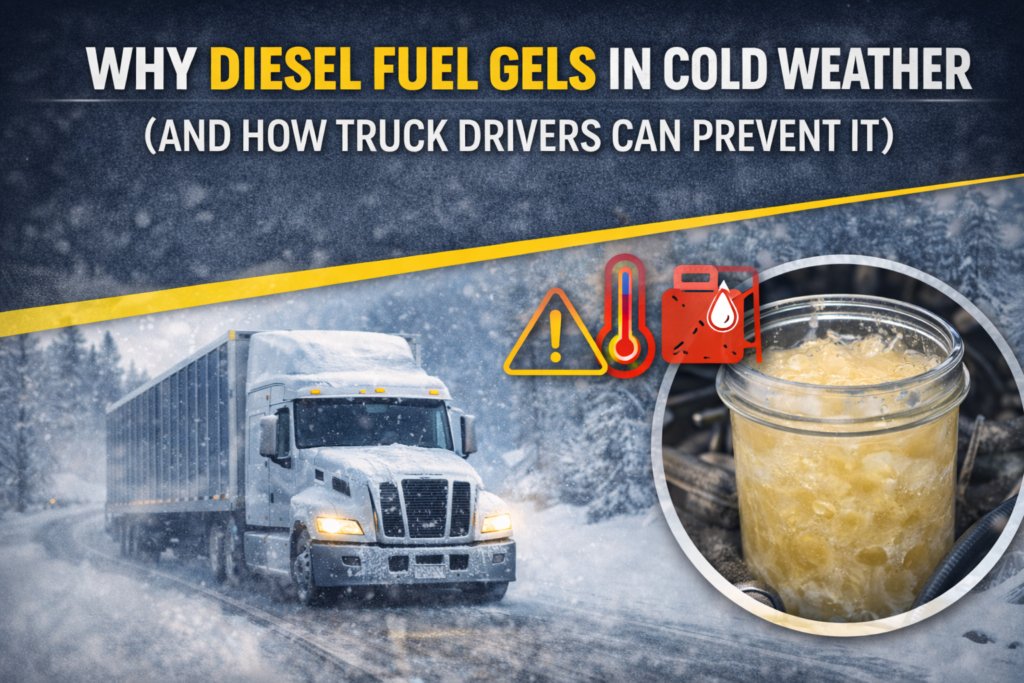
Winter conditions can be tough on diesel trucks, especially in places like Wyoming where temperatures can drop well below freezing. One of the most common cold-weather problems diesel drivers face is fuel gelling.
When diesel fuel gels, it can clog fuel filters and prevent fuel from flowing properly through the engine. This can cause hard starting, loss of power, or even leave a truck unable to run.
Understanding why diesel fuel gels and how to prevent it can help truck drivers avoid unexpected downtime during winter months.
What Is Diesel Fuel Gelling?
Diesel fuel naturally contains paraffin wax. Under normal temperatures, this wax stays dissolved in the fuel. However, when temperatures drop low enough, the wax begins to solidify.
As the wax crystals form, they can clog fuel filters and restrict fuel flow to the engine. When this happens, the engine may struggle to start or stop running altogether.
At What Temperature Does Diesel Fuel Gel?
Diesel fuel can begin to gel at temperatures around 15°F (-9°C), though this can vary depending on the type of fuel and additives used.
In colder regions like Wyoming, winter diesel blends are often used to reduce the chances of fuel gelling. However, extreme cold can still cause problems if precautions are not taken.
Signs Your Diesel Fuel May Be Gelling
Fuel gelling often causes symptoms similar to fuel system restrictions.
- Engine cranks but will not start
- Loss of power while driving
- Clogged fuel filters
- Engine stalling
- Rough running engine
If these symptoms appear during extremely cold weather, fuel gelling may be the cause.
How Truck Drivers Can Prevent Diesel Fuel Gelling
There are several steps truck drivers can take to reduce the risk of fuel gelling during winter.
- Use winter diesel fuel blends
- Add anti-gel fuel additives
- Keep fuel tanks full to reduce condensation
- Replace fuel filters regularly
- Park trucks in heated areas when possible
Taking these precautions can help keep diesel engines running smoothly during freezing temperatures.
Professional Diesel Engine Diagnostics
If your truck experiences starting problems or fuel system issues during cold weather, professional diagnostics may be necessary to identify the cause.
At Wyoming Diesel Service, our technicians diagnose diesel engine performance and fuel system issues.
- Diesel Engine Diagnostics & Repair
- Truck Repair
- Fuel system inspections
- Cold weather starting diagnostics
Please note that Wyoming Diesel Service does not provide roadside service. If your truck becomes disabled along I-80, we can recommend trusted wrecker companies that can tow your vehicle to our shop in Rawlins.
Frequently Asked Questions
Why does diesel fuel gel in cold weather?
Diesel fuel contains paraffin wax that begins to solidify at low temperatures, forming crystals that clog fuel filters.
How can I prevent diesel fuel from gelling?
Using winter diesel blends, anti-gel additives, and maintaining your fuel system can help prevent fuel gelling.
Can fuel gelling damage my diesel engine?
Fuel gelling typically does not damage the engine itself, but it can prevent the engine from starting or running until the fuel system is warmed.
To Sum It Up
Diesel fuel gelling is a common winter issue that can cause serious inconvenience for truck drivers. By understanding how fuel gelling occurs and taking preventative measures, drivers can reduce the risk of cold-weather fuel problems.
If your diesel truck is experiencing fuel system issues or starting problems, contact Wyoming Diesel Service in Rawlins at 307-324-5144.